Source Portable Manual Plastic Stapler for Office School Promotion
Compare 30 Portable Manual Plastic Stapler options from verified suppliers. Buyers can evaluate models like HS003 and PA1310-S, check dimensions, materials, and pricing to find the right tool for office, school, or promotional use.
Key considerations
Products List


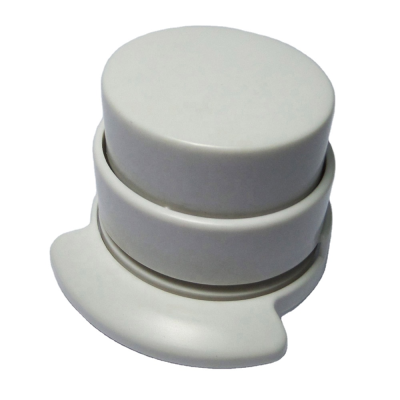
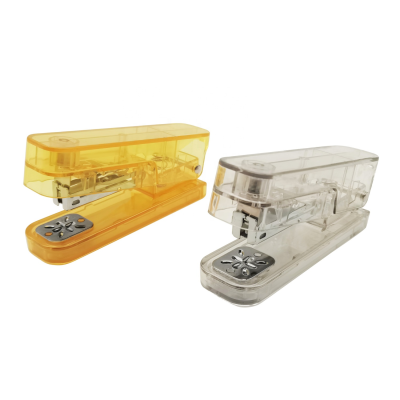
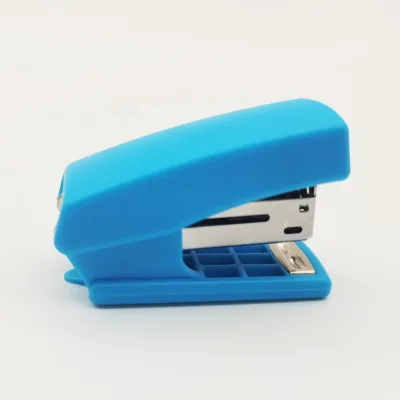
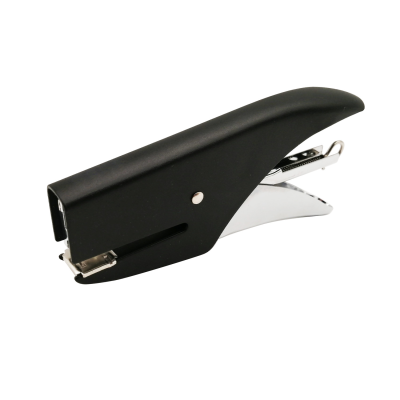
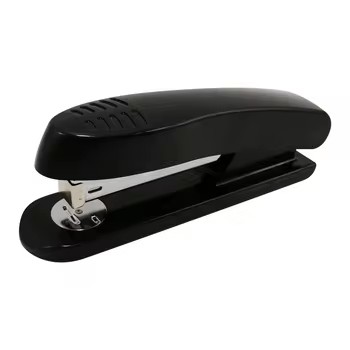
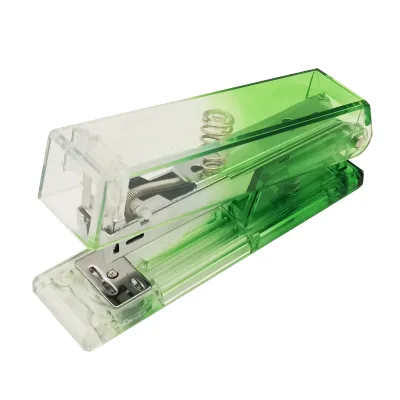


Simple Plastic Desktop Stapler Office School Stationery Accessories Paper Stapler
$0.60 - $0.70
MOQ: 2000 Pieces

Durable Classic Office School Supplies Power Saving Manual Stapler with Press
$0.90 - $2.00
MOQ: 1500 Pieces


Comprehensive Sourcing Guide
Portable Manual Plastic Stapler Sourcing Guide
Sourcing portable manual plastic staplers requires a nuanced understanding of the distinction between office-grade fastening tools and industrial-grade hardware. While the term "plastic stapler" often conjures images of lightweight desktop devices for paper, the procurement landscape for this keyword frequently includes heavy-duty, semi-automatic, or pneumatic-assisted tools where plastic components serve as housing or ergonomic grips rather than the primary structural material. Buyers must carefully distinguish between simple manual plastic staplers designed for light-duty tasks and more complex mechanisms that may utilize plastic for weight reduction or cost efficiency while relying on high-carbon steel for the critical fastening elements. This guide provides a structured approach to navigating these variations, ensuring that procurement teams select tools that align with specific operational needs, whether for office administration, school supplies, or specialized building decoration tasks.
The market for these tools is characterized by a wide variance in specifications, ranging from miniature desktop models to robust, semi-automatic units capable of handling hog rings or specific staple types. Observed listing signals indicate that products labeled under this keyword can encompass everything from basic locking pliers-style mechanisms to pneumatic staplers with specific air pressure requirements. Consequently, the sourcing strategy must prioritize verification of the tool’s actual power source, material composition, and intended application. By focusing on precise technical attributes rather than broad category labels, buyers can avoid mismatches between supplier offerings and internal operational requirements, ensuring that the purchased equipment delivers the necessary performance and durability for its intended use case.
Product Scope and Observed Listing Signals
The observed product landscape for portable manual plastic staplers reveals a diverse array of configurations, including models identified by specific codes such as HS003, HS004, and HS001, which vary significantly in dimensions and structural design. Listings indicate that some products are explicitly categorized as "Hand Tackers" or "Manual Staplers," while others are described as "Mini Staplers" suitable for office and school environments. It is crucial to note that the term "plastic" in product titles may refer to the housing material, as seen in models where plastic is listed as the primary material, or it may be a misclassification for tools that are actually constructed from high-carbon steel with plastic grips. Buyers should scrutinize the material specifications closely, as tools intended for heavy-duty applications like building decoration or mattress assembly typically require metal construction for the driving mechanism, even if the exterior casing is plastic.
Further examination of listing signals shows that some products are semi-automatic or pneumatic in nature, requiring specific operating pressures such as 70-120psi, which contradicts the "manual" aspect of the core keyword. These pneumatic models, often associated with hog ring applications or specific staple types like 3518, are fundamentally different from purely manual devices. Additionally, the observed data includes products with varying weights, from lightweight 1.1kg units to heavier 2.66kg tools, indicating a broad spectrum of portability and power. Buyers must verify whether the "manual" descriptor applies to the entire operation or merely to the trigger mechanism, as pneumatic tools often require an external air source despite having manual triggers. This distinction is vital for determining the suitability of the tool for specific work environments, such as construction sites versus office desks.
Technical Specifications to Verify
When evaluating technical specifications, buyers must prioritize the verification of staple compatibility and mechanical structure. The supplied data highlights specific applicable staples, such as 18mm carton closing staples or PA1310-S hog rings, which dictate the tool’s utility. It is essential to confirm that the selected stapler is compatible with the exact staple type and size required for the application, as mismatched staples can lead to jamming, poor fastening, or tool damage. Furthermore, the structural design, whether it is a box joint or a standard lever mechanism, significantly impacts the force transmission and ease of use. Buyers should request detailed diagrams or specifications that clarify the internal mechanism, ensuring that the tool can deliver the necessary crimping or locking force for the intended material, whether it is paper, fabric, or network mesh.
Dimensional analysis is another critical aspect of technical verification, as the physical size of the stapler affects both portability and operational comfort. Observed dimensions range from compact 25165.8cm models to larger 360105267mm units, reflecting the diversity in design and capacity. Buyers should assess whether the tool’s size aligns with the ergonomic needs of the operators, particularly for tasks requiring repetitive use. Additionally, the weight of the tool, which can vary from 1.0kg to 2.66kg, should be considered in the context of the work environment; lighter tools are preferable for extended handheld use, while heavier, more robust tools may be necessary for high-force applications. Verifying these physical attributes ensures that the selected stapler offers the right balance of power, precision, and user comfort.
Compliance and Safety Documentation
Compliance and safety documentation for manual and semi-automatic staplers often involve verifying adherence to general product safety standards, although specific certifications like CE or ISO standards may not be universally applicable to all manual tools. Buyers should inquire about the manufacturer’s quality management systems, such as ISO9001, which can indicate a consistent approach to production quality and safety. While these certifications do not directly certify the tool’s performance, they provide assurance that the manufacturing process is controlled and reliable. It is also important to verify that the tool meets any local regulatory requirements for hand tools, particularly regarding sharp edges, material toxicity, and mechanical stability. Buyers should request test reports or safety data sheets that confirm the tool’s compliance with relevant occupational health and safety regulations.
In the case of pneumatic or semi-automatic models, additional safety considerations arise due to the involvement of compressed air. Buyers must ensure that the tool is designed to operate safely within the specified pressure range, typically 70-120psi, and that it includes necessary safety features such as pressure relief valves or trigger locks. Documentation should confirm that the pneumatic components are rated for the intended operating conditions and that the tool has undergone appropriate pressure testing. For manual plastic staplers, buyers should verify that the plastic materials used are durable and resistant to cracking under stress, ensuring long-term safety and reliability. Requesting detailed safety manuals and maintenance guidelines from the supplier can further enhance operational safety and extend the tool’s lifespan.
Cost Drivers and Commercial Terms
Cost drivers for portable manual plastic staplers are influenced by factors such as material composition, manufacturing complexity, and packaging requirements. Tools constructed from high-carbon steel with plastic components typically command higher prices than those made entirely from plastic, due to the superior durability and performance of metal parts. The degree of automation, whether manual, semi-automatic, or pneumatic, also significantly impacts cost, with pneumatic models generally being more expensive due to their complex internal mechanisms and additional components. Buyers should analyze the cost structure in relation to the tool’s intended use, recognizing that higher initial costs may be justified by longer service life and better performance in demanding applications. Understanding these cost drivers helps in making informed budgeting decisions and selecting tools that offer the best value for money.
Commercial terms, including minimum order quantities (MOQ) and packaging specifications, play a crucial role in the procurement process. Observed MOQs range from 1 to 10,000 units, allowing for flexibility in order sizes depending on the buyer’s needs. Packaging options, such as paper boxes or bulk cartons containing 10 or 20 pieces, should be evaluated for their impact on shipping costs and storage efficiency. Buyers should negotiate terms that align with their inventory management strategies, considering factors such as lead times and customization options. Some suppliers offer customized packaging or branding, which can be beneficial for corporate gifts or promotional purposes. By carefully reviewing commercial terms, buyers can optimize their procurement process and ensure that the purchased staplers meet both functional and logistical requirements.
Supplier Qualification and Quality Control
Supplier qualification for portable manual plastic staplers should focus on assessing the manufacturer’s production capabilities and quality control processes. Buyers should verify the supplier’s experience in manufacturing hand tools and their ability to maintain consistent quality across production batches. Requesting samples for evaluation is a critical step in this process, allowing buyers to assess the tool’s build quality, ease of use, and compatibility with intended staples. Suppliers with a track record of producing tools for specific applications, such as building decoration or office use, may offer more reliable products. Additionally, buyers should inquire about the supplier’s quality control measures, including inspection protocols and testing procedures, to ensure that the products meet specified standards.
Quality control checks should also include verification of the tool’s performance under typical operating conditions. Buyers should test the stapler for smooth operation, proper staple ejection, and durability under repeated use. For pneumatic models, testing should include verifying the air pressure requirements and the tool’s response to different operating pressures. Suppliers who provide detailed technical support and after-sales service can be valuable partners in ensuring long-term satisfaction. Buyers should also consider the supplier’s ability to provide customized solutions, such as specific staple types or ergonomic designs, to meet unique operational needs. By thoroughly evaluating supplier qualifications and quality control practices, buyers can mitigate risks and secure a reliable supply of high-quality staplers.
Long-Term Procurement Checks
Long-term procurement checks for portable manual plastic staplers involve monitoring the tool’s performance and reliability over time. Buyers should establish a system for tracking staple compatibility issues, mechanical failures, and user feedback to identify any recurring problems. Regular maintenance and inspection of the tools can help prevent premature wear and extend their service life. Buyers should also stay informed about updates in staple technology and tool design, as advancements in materials and mechanisms may offer improved performance or cost savings. By maintaining a proactive approach to tool management, buyers can ensure that their staplers continue to meet operational requirements and deliver consistent results.
Additionally, buyers should periodically review supplier performance and market trends to identify opportunities for cost optimization or product improvement. Engaging in ongoing dialogue with suppliers can facilitate the introduction of new products or customized solutions that better align with evolving business needs. Buyers should also consider the environmental impact of their procurement choices, exploring options for recyclable packaging or sustainable materials where possible. By continuously evaluating and refining their procurement strategies, buyers can build a resilient supply chain that supports their operational goals and adapts to changing market conditions. This long-term perspective ensures that the investment in portable manual plastic staplers yields sustained value and reliability.
FAQs
What materials are used for the Portable Manual Plastic Stapler?
The stapler is constructed from high carbon steel and plastic components. This combination ensures durability for building decoration tasks while maintaining a lightweight profile for manual operation by adults.
Which stapler models are available for different staple sizes?
Available models include HS003, HS004, and HS001, each with specific dimensions like 22*144*80mm or 24*177*78mm. These models support various staple types such as 18mm carton closing staples or 3518 applicable staples.
Can the stapler be customized for specific packaging needs?
Yes, customization is available for this product line. Buyers can request specific packing configurations like 10PCS/CTN or 20PCS/CTN, and the product is offered in a new condition with tailored options.
How does the pneumatic stapler differ from the manual version?
The pneumatic version operates at 70-120psi pressure and is semi-automatic, suitable for mattress and network applications. In contrast, the manual version relies on direct hand pressure and is designed for office or school use.
What is the weight and size of the large stapler model?
The large stapler model weighs 2.66kg and has dimensions of 360*105*267mm. Another variant weighs 1.1kg with dimensions of 25*16*5.8cm, offering flexibility for different carrying and usage requirements.
Which suppliers offer the PA1310-S hog ring stapler?
Suppliers provide the PA1310-S model which handles 50PCS hog rings with a load capacity of 50PCS. This pneumatic tool is designed for specific fastener applications and operates under pressure for efficient performance.